History
1. Origins of FBT
The Foundational Inquiry (2014)
- The genesis of FBT dates back to 2014, stemming from a fundamental clinical query that Chairman Chul-Jin Moon consistently encountered in practice:
- “If pain and structural defects exist, does this not naturally result in restricted joint movement? Consequently, if we resolve that restriction, would not both the pain and the structural integrity recover simultaneously?”
- Since 2014, Chairman Moon has continuously revisited this hypothesis in the clinical setting. The history of FBT is, in essence, the culmination of a persistent pursuit of this single question.
- The initial approach was muscle-centered. The etiology of pain and movement limitations was sought within muscular dysfunction. Muscle relaxation techniques and kinesiological therapies were employed to improve range of motion (ROM). However, clinical observations revealed a plateau; recovery was limited beyond a certain threshold, and the anticipated structural changes were not sustained. Recognizing these limitations marked a critical turning point in the evolution of FBT.
2. The Exploratory Phase
Musculoskeletal and Fascial Approaches
(2014–2020)
2. 1 The Muscle-Centered Approach
- Initially, muscle pathology was postulated as the primary answer. It was believed that movement originates from muscle activity and that pain stems from muscular dysfunction. Consequently, various relaxation techniques and myological approaches were applied. While short-term improvements were noted, complete recovery remained elusive. There were clear limitations in achieving fundamental ROM restoration and long-term structural stability; improved movement did not persist, and pain frequently recurred.
2. 2 The Fascia-Centered Approach
- Moving beyond muscles, FBT turned its attention to the fascia. For approximately two years, fascia-oriented treatments were applied clinically. Although partial efficacy was confirmed, the limitations regarding persistent restriction remained. During this period, Chairman Moon began to look beyond structural abnormalities, shifting his focus toward higher-level regulatory mechanisms to understand the true nature of pain.
3. The Turning Point
Insight into the Sensory–Motor System
(2020–2021)
- After a prolonged period of intense study and contemplation, a breakthrough emerged from observing a fundamental physiological phenomenon – the withdrawal reflex.
When a hand is pricked by a nail, it retracts immediately.
When touching a hot surface, the body reacts prior to conscious thought.
These reactions are instantaneous, and their initiation point is not motor activity, but sensation.
- From this observation, FBT established a new paradigm:
- Motor Control : Movement is determined not by muscles, but by sensory input.
- Postural Regulation : Posture is modulated by the unconscious nervous system, not by conscious intent.
- The Hierarchy : While specific behaviors are commanded by the brain, posture is governed by the sensory system.
3. 1 Immersion and Insight
- Chairman Moon emphasizes that clinical advancement requires insight born from deep, unconscious contemplation through immersion, transcending mere conscious reasoning. By reinterpreting the physiological pathway—Sensory Input → Central Nervous System (CNS) → Motor Output (reaction)— he concluded that Sensory Input, rather than the CNS itself, is the decisive factor in movement.
3. 2 Distinguishing Movement from Posture
- This led to a redefinition of the causes of pain:
- Movement : Cortical control; conscious regulation.
- Posture : Determined by unconscious reflexes and the sensory system.
- The theoretical framework suggests that while movement can cause temporary injury, chronic disease and dysfunction arise from maladaptive, fixed postural patterns.
- From this juncture, FBT shifted its focus from structure to function.
4. Establishing Core FBT Techniques
The SAT Layer Approach (2021–2022)
4. 1 Targeting the SAT Layer
- FBT proceeded under the hypothesis that the critical parts of sensory nerve fibers are located not on the skin's surface, but within the Superficial Adipose Tissue (SAT) layer, situated between the skin and muscle. Treatment protocols were developed to specifically target this layer.
4. 2 Clinical Outcomes
- By modulating peripheral sensory input from the SAT layer, clinical outcomes significantly outperformed previous muscle and fascia-based approaches. Joint ROM recovered more rapidly, pain reduction was more sustainable, and the patients' postural patterns began to undergo fundamental change. This marked the transition of FBT from a mere technique to a distinct clinical identity.
5. Conceptual Consolidation and Terminology Evolution
5. 1 Initial Term: fHD (functional Hydro Dissection)
- • Emphasized a function-centered approach rather than structural intervention
- • Lowercase “f” was intentionally used to avoid confusion with conventional fascia-focused concepts
5. 2 Transition from fHD to FBT (Late 2023–Early 2024)
- As clinical application and research expanded, it became evident that the term "fHD" (functional Hydro-Dissection) was insufficient to encompass the full scope and philosophy of the approach. Clinical trials conducted by the medical staff revealed that the theoretical principles of FBT yielded efficacy not only through hydrodissection but also when applied via other modalities, including acupuncture, therapeutic massage, and the insertion of Polydioxanone (PDO) threads.
- Consequently, the name Functional Balance Treatment (FBT) was adopted to accurately reflect the comprehensive, multimodal essence of the therapy.
6. Formalization of Education and Research (2023–2024)
- FBT has evolved from individual clinical experience into a shared, verifiable body of knowledge, expanding into formal education and research.
6. 1 Key Milestones
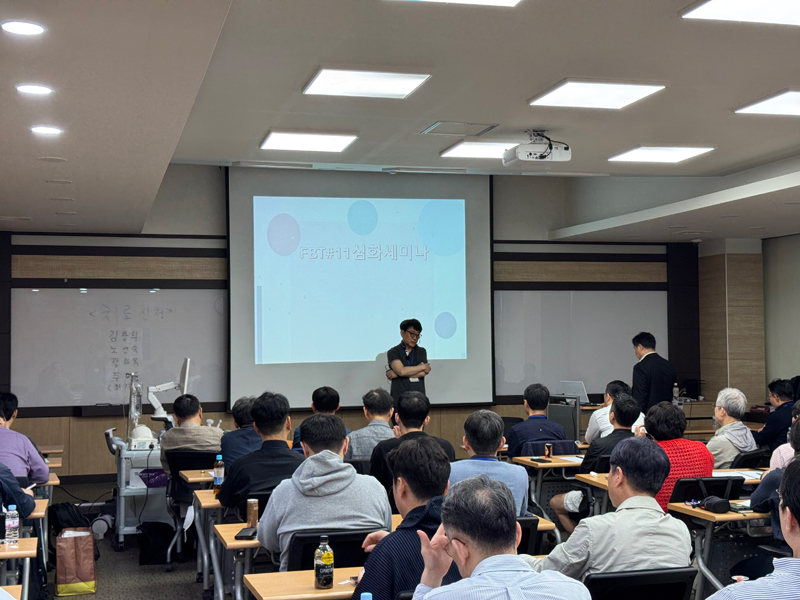
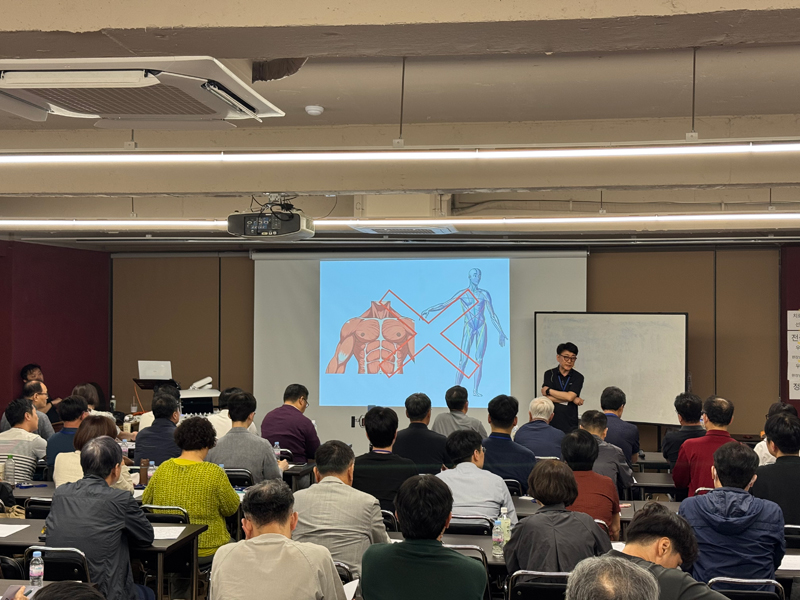
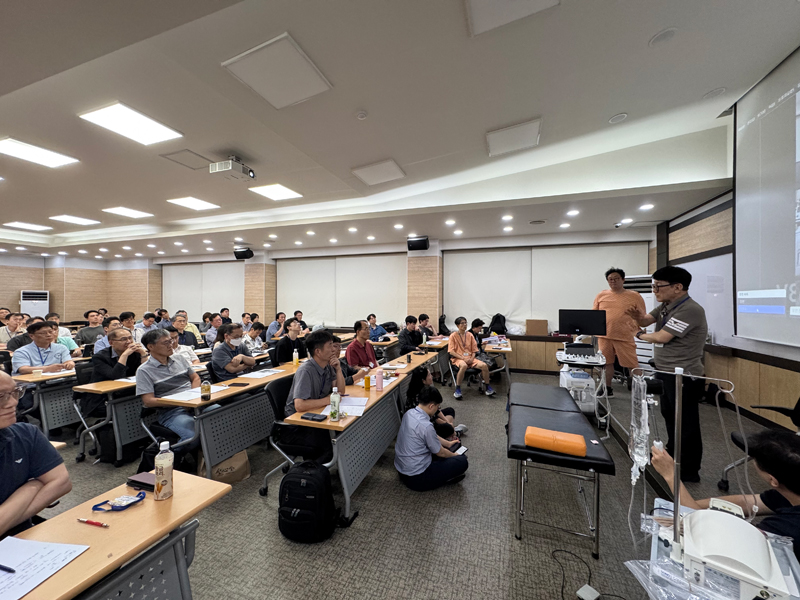
- • Sept 10, 2023: First official external workshop at the Korean Association of Rehabilitation Medicine Fall Conference.
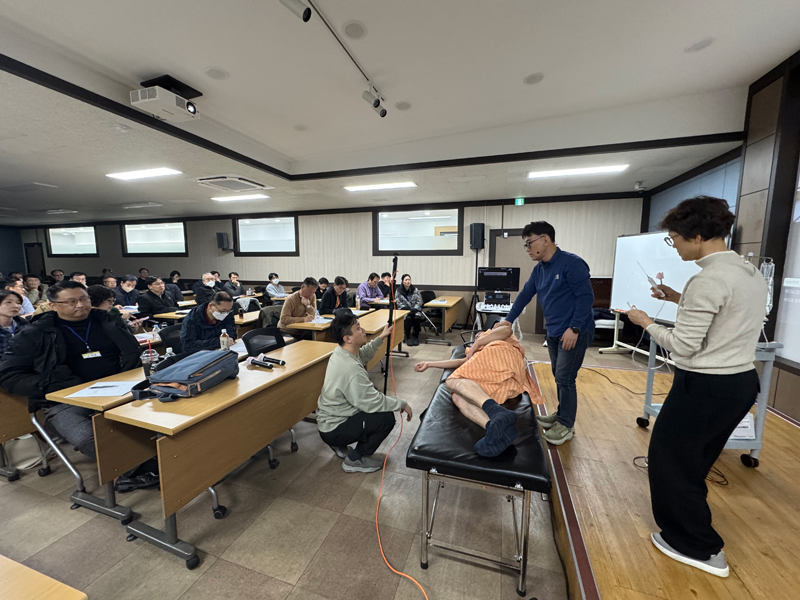
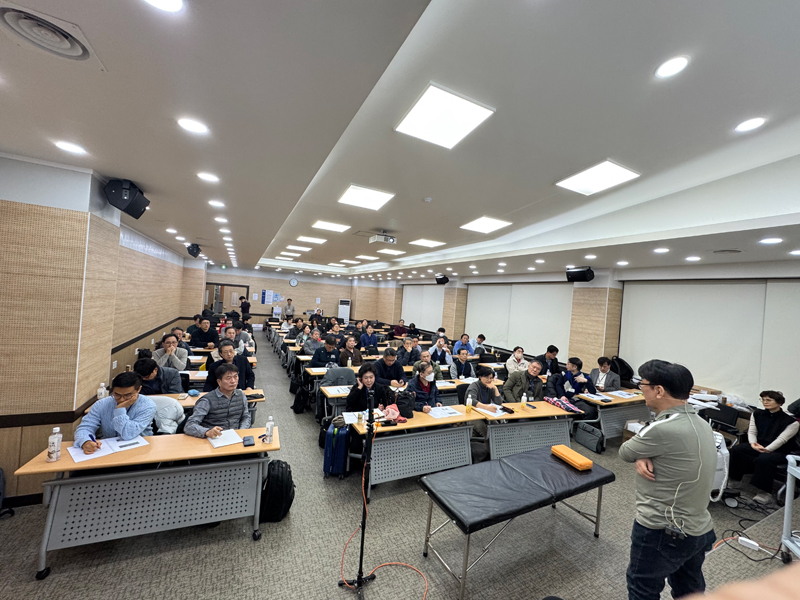
- • Oct 21, 2023: Launch of the first Advanced FBT Course, establishing a systematic curriculum.
- • Research & Community:
- Dec 2019 : Publication of text on Nerve Ultrasound and Hydro-dissection.
- July 2024 : Launch of official online platform for medical professionals.
- Oct 2024 : Rapid membership growth following the publication of the FBT textbook.
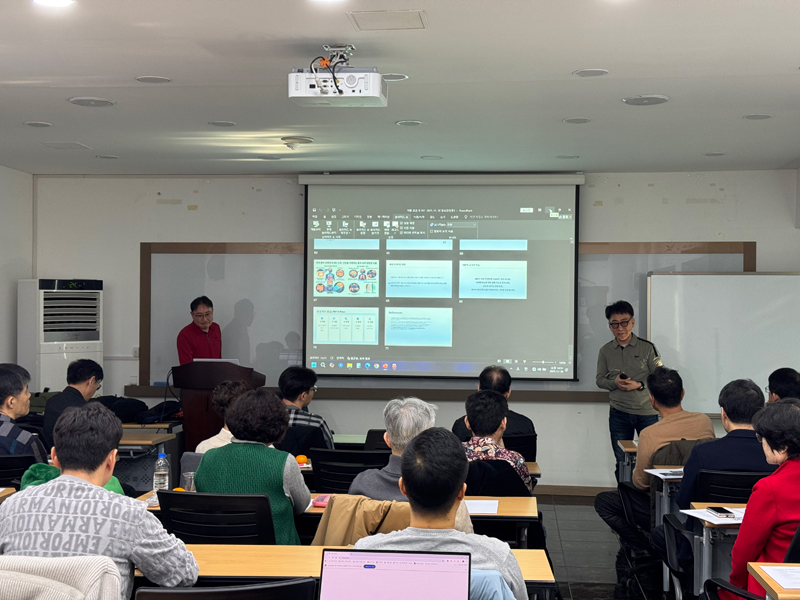
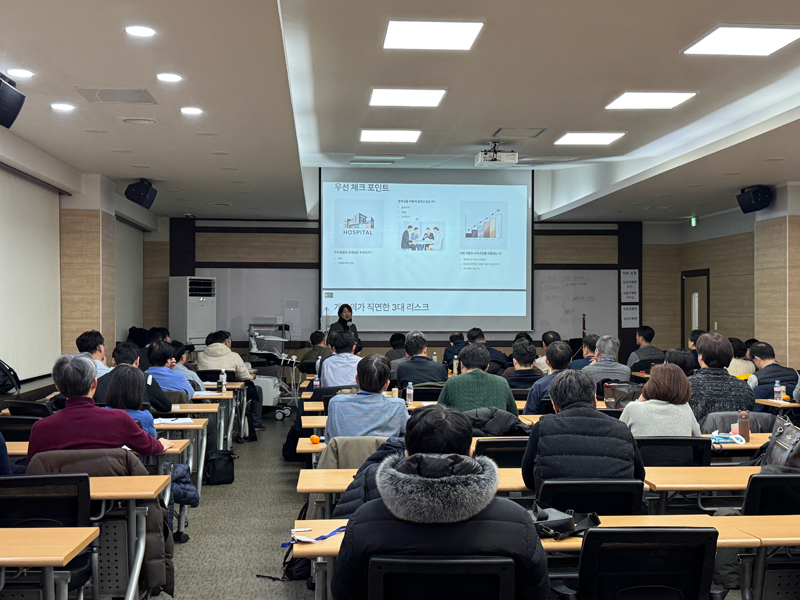
- Dec 21, 2024 : Inaugural General Seminar.
7. Current Status and Future Vision
7. 1 Current Status
- The objective of FBT extends beyond the dissemination of a treatment technique. It aims to establish:
- A new pain paradigm centered on sensation and function.
- An integrated system linking clinical practice with academic research.
- An academic network expanding beyond domestic borders.
7. 2 Future Vision
- Domestic : Stabilization of advanced education and reinforcement of the research foundation.
- Global : International academic exchange and the establishment of a global FBT network comparable to major international medical congresses.
8. Conclusion
- FBT is the result of over a decade of persistent clinical inquiry, repeated trials, and profound insight into sensory-functional mechanisms. Restoring functional capacity and offering hope to patients is our academic responsibility and mission.
- FBT continues to ask:
- Why does pain occur?
- How does the body lose its balance?
- How can we restore that balance?
- The journey toward answering these questions defines FBT. Moving forward, our society is committed to sharing knowledge, disseminating research, and engaging in multidisciplinary international collaboration to enhance the quality of human life. Through this process, we aspire to bring vitality to patients, health to society, and new hope to the world.




 Global